

INTRODUCTION
The City of Wagga Wagga, under the leadership of Councillor Richard Foley, is committed to addressing homelessness with innovative, compassionate, and practical solutions. Recognising that housing is a fundamental human right, Councillor Foley is championing the use of OPods— large, retrofitted concrete pipes—as a transitional housing solution. This policy aims to provide safe, dignified, and immediate shelter for those experiencing homelessness in our community.
Objectives
- Provide Immediate Shelter:
Establish safe, secure, and accessible OPod housing to reduce the number of people sleeping rough in Wagga Wagga. - Support Pathways to Permanent Housing: Facilitate the transition from homelessness to permanent housing through supportive services, job training, and social integration programs.
- Promote Community Wellbeing: Enhance community safety, health, and wellbeing by reducing homelessness-related challenges.
- Encourage Sustainable and Innovative Development: Utilise cost-effective and innovative housing solutions that can be quickly deployed and adapted as needed.
Key Policy Initiatives
1. Implementation of OPod Transitional Housing
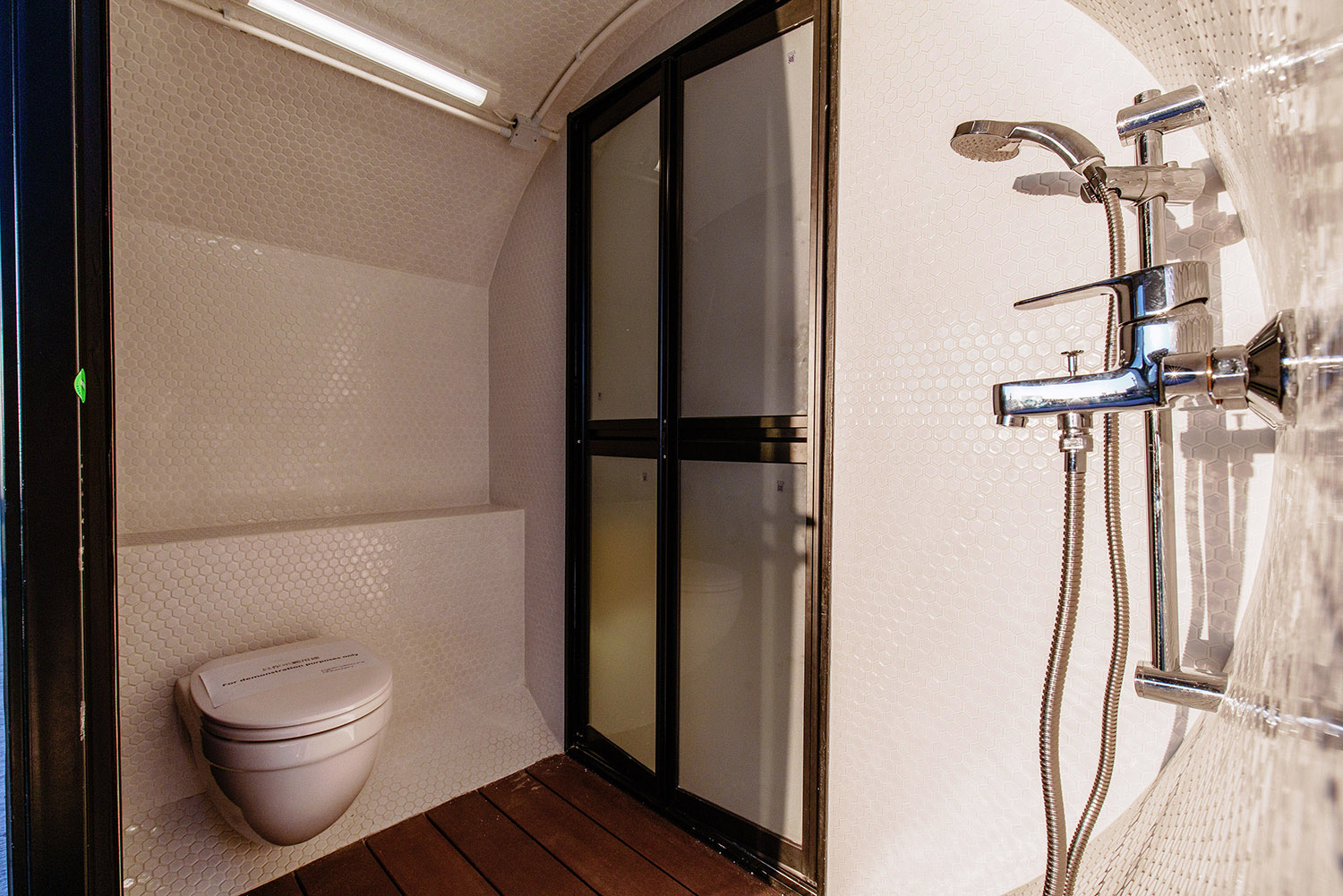
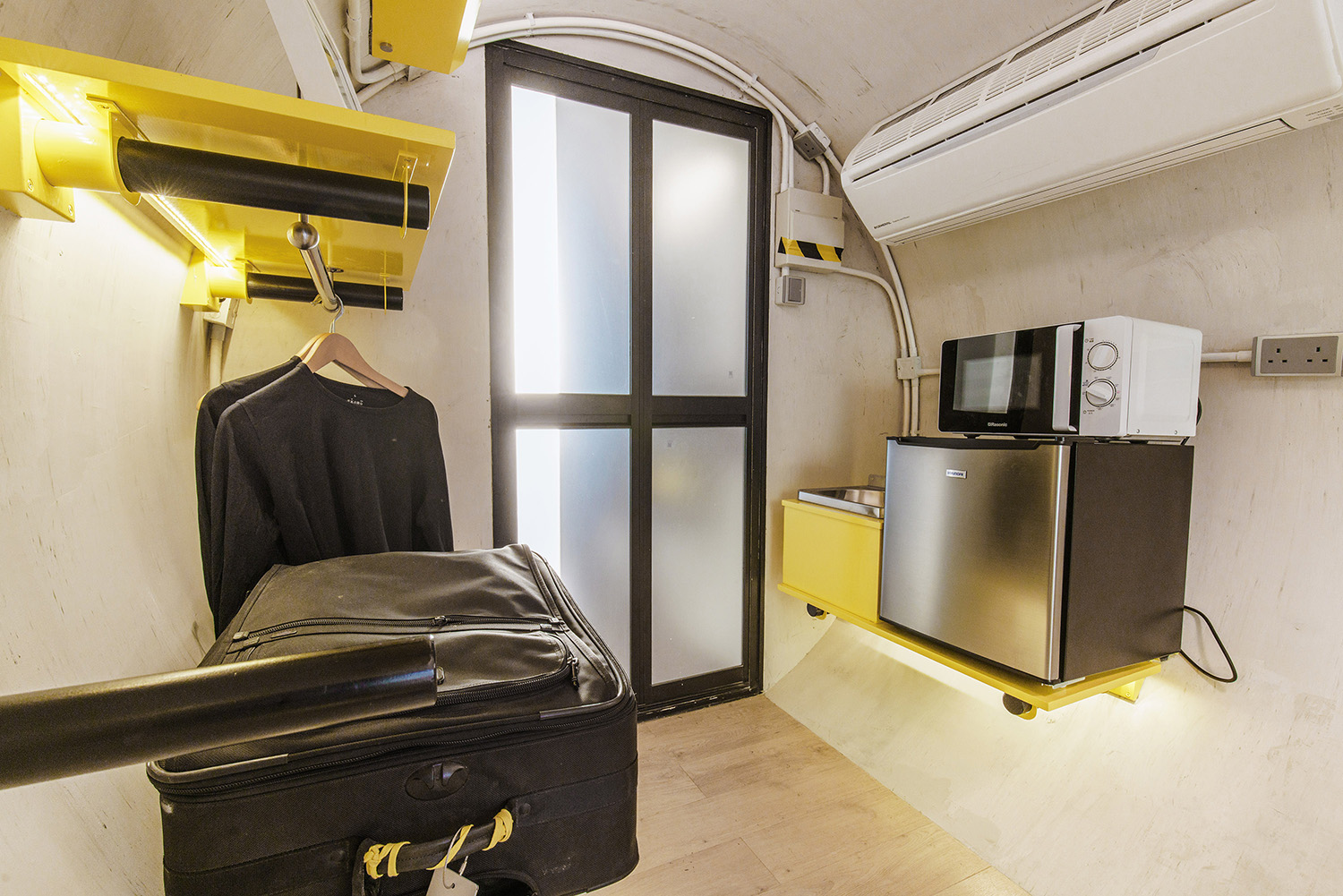
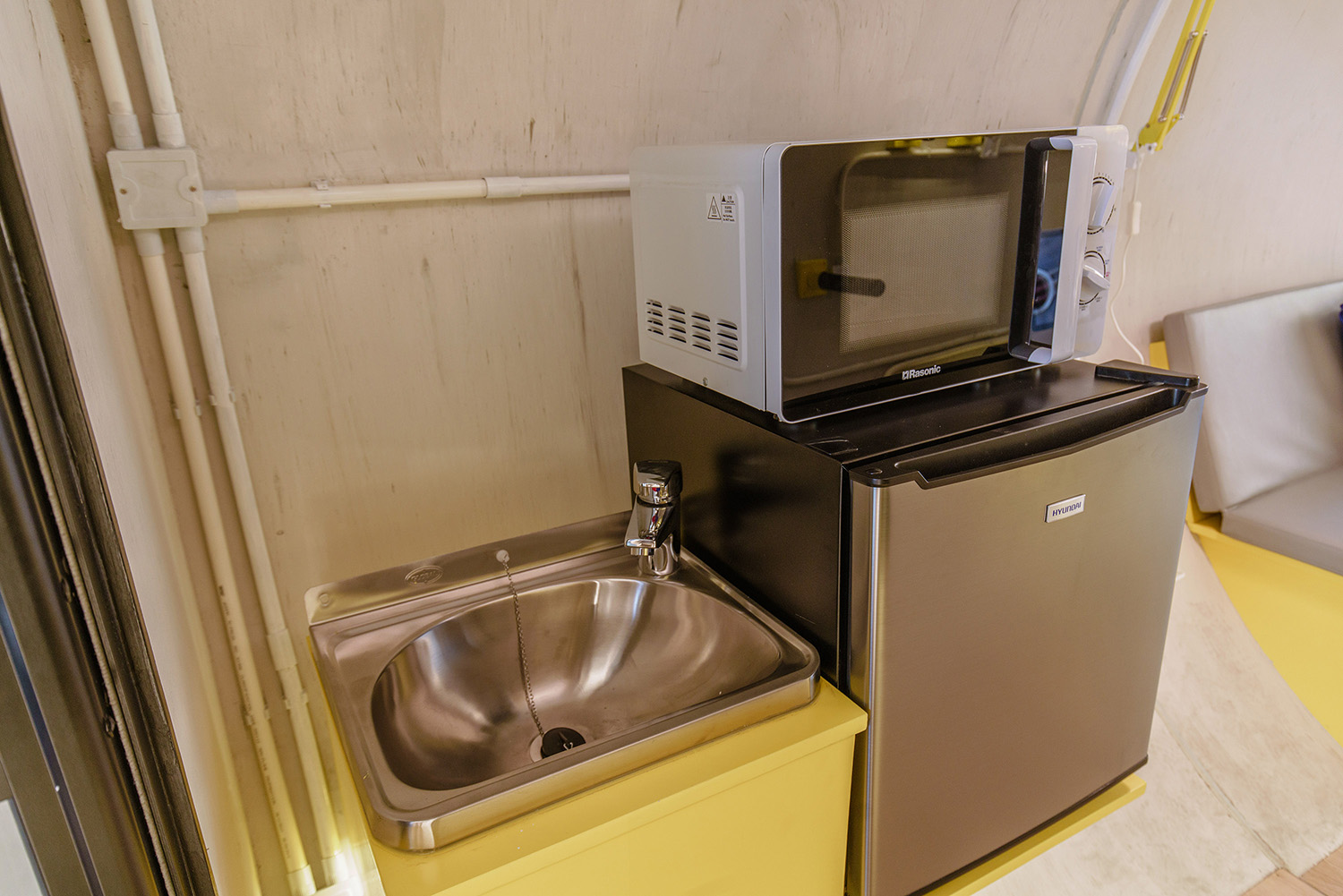
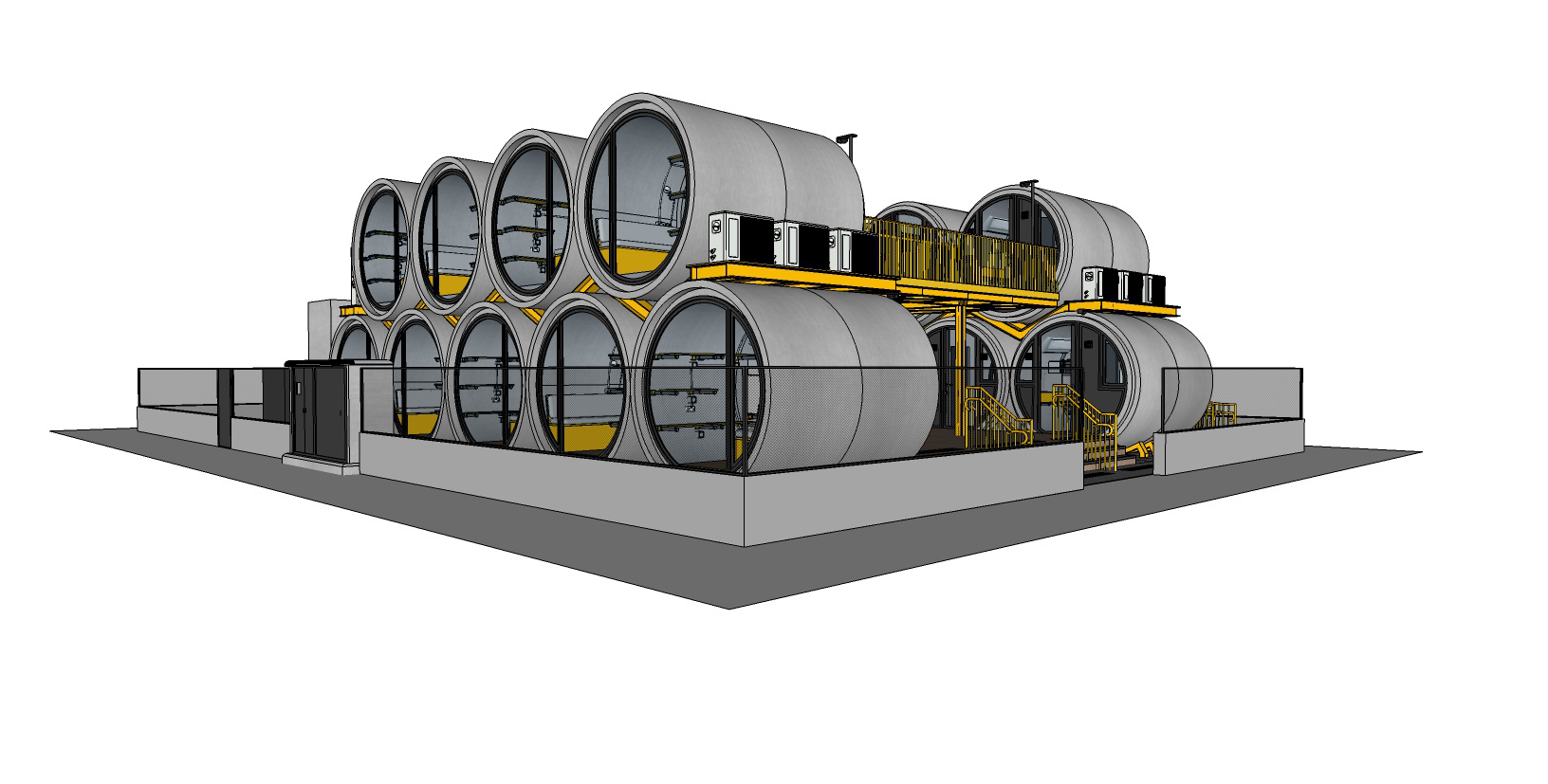
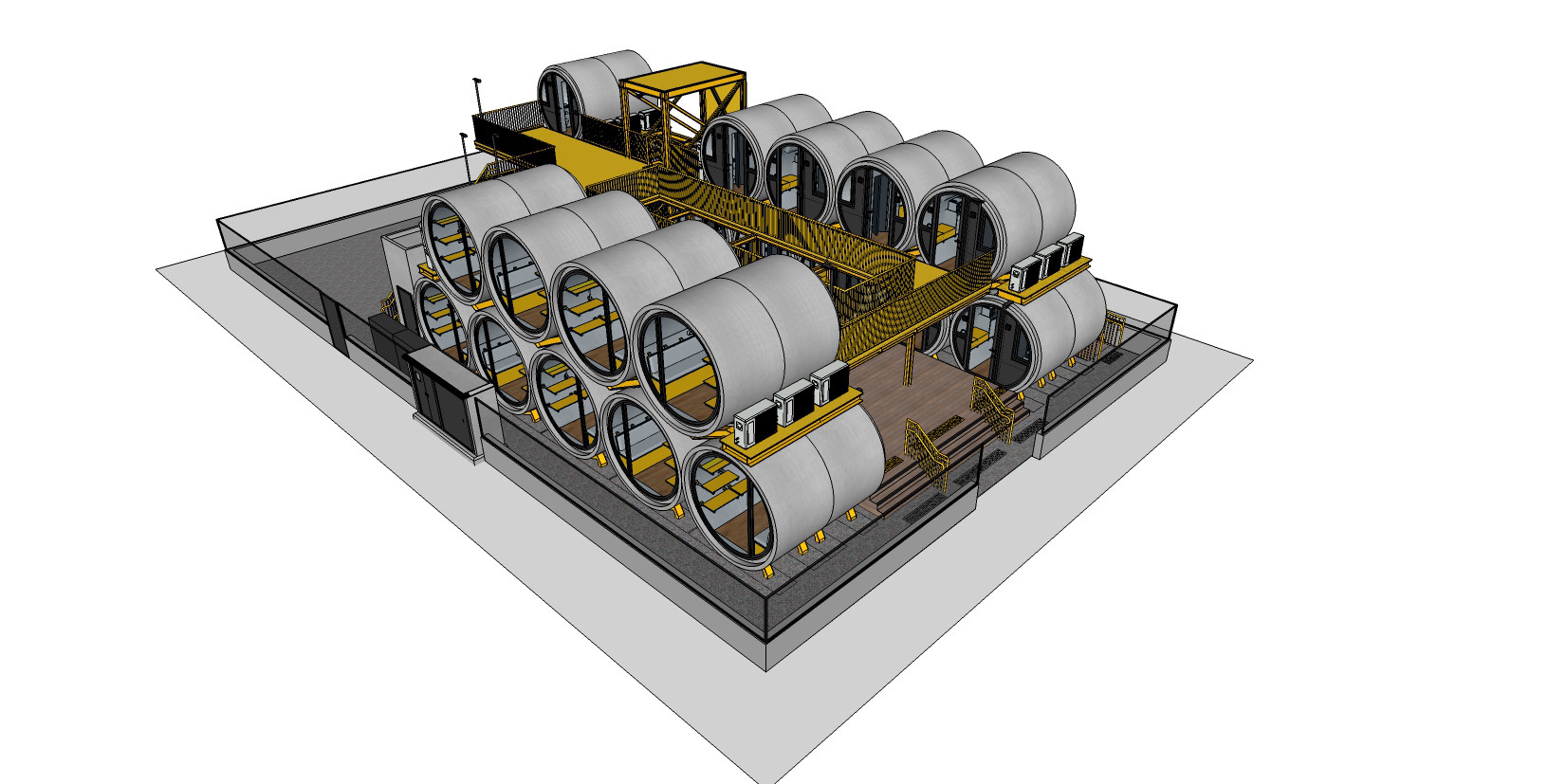
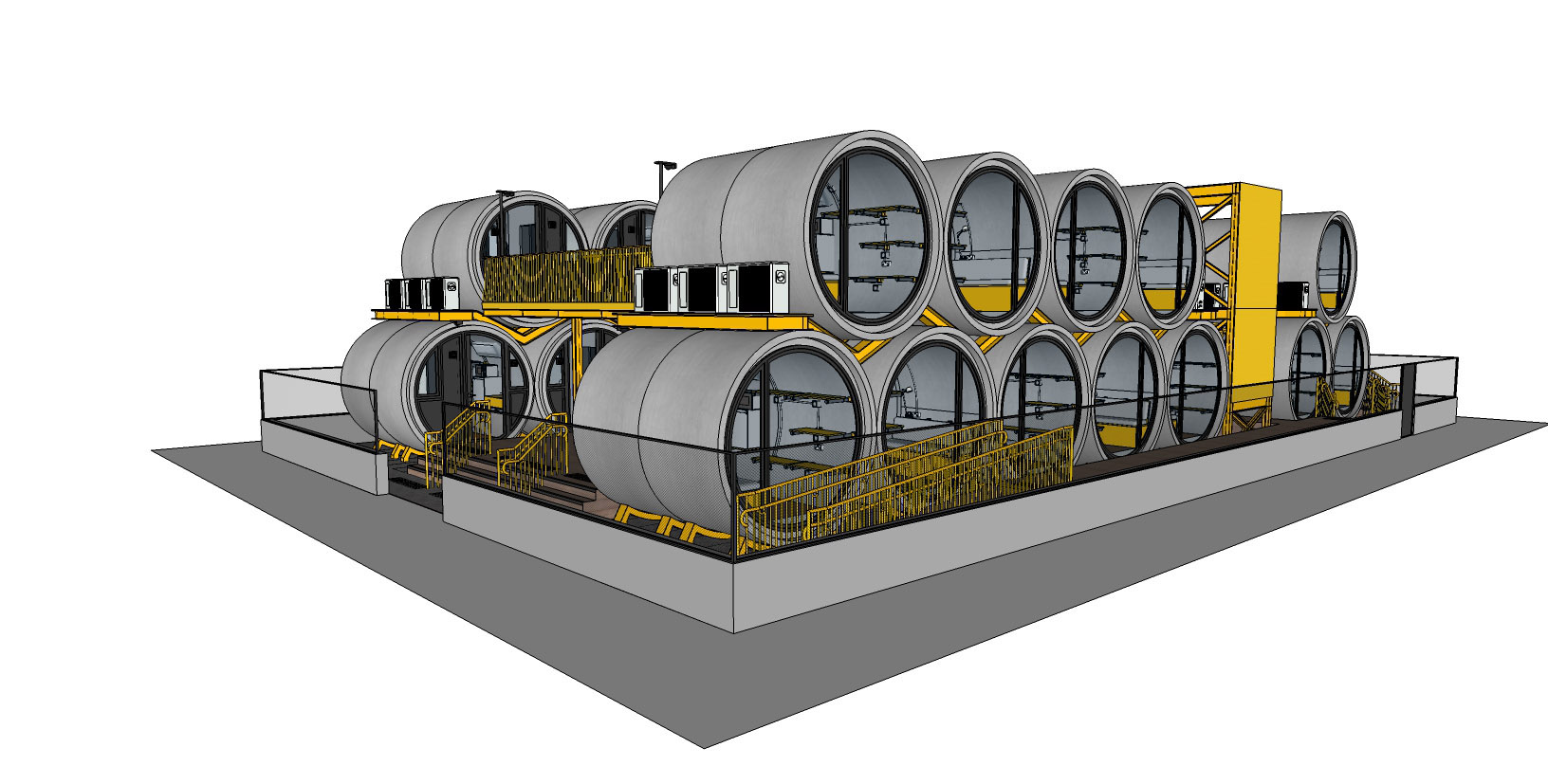
OPod Units: Deploy OPods, which are large concrete pipes retrofitted with essential amenities, including heating, cooling, a small bathroom, and basic living facilities. These units will provide temporary shelter while permanent housing solutions are sought.
Site Selection: Identify and secure appropriate locations across Wagga Wagga for the deployment of OPod units, with a focus on accessibility to public services and transportation.
Infrastructure Support: Ensure the provision of necessary utilities such as water, electricity, and sanitation to all OPod units.
2. Comprehensive Support Services
Case Management: Offer personalised case management services to help OPod residents navigate pathways to permanent housing, including access to health care, mental health services, and addiction treatment.
Employment and Training Programs: Collaborate with local businesses, educational institutions, and NGOs to provide job training, skills development, and employment opportunities for OPod residents.
Community Integration: Promote social inclusion and community engagement through programs that encourage interaction between OPod residents and the broader Wagga Wagga community.
3. Community and Stakeholder Engagement
Public Consultation: Engage with local residents, businesses, and community organisations to gain support and input for the OPod program, ensuring transparency and addressing concerns.
Partnerships: Work closely with non-profit organisations, housing associations, and state government agencies to coordinate resources and maximise the impact of the OPod initiative.
Awareness Campaign: Launch a public awareness campaign to educate the community about homelessness and the benefits of OPod housing, fostering a compassionate and supportive environment.
4. Sustainability and Scalability
Eco-Friendly Design: Utilise the inherent sustainability of OPods by repurposing industrial materials and incorporating energy-efficient systems to minimise environmental impact.
Scalability: Develop a plan to expand the OPod program based on its success, with the potential to increase the number of units or replicate the model in other areas of the region.
Monitoring and Evaluation: Establish metrics to monitor the success of the program, including the number of people housed, the transition rate to permanent housing, and overall community impact. Regularly review and adjust the policy based on outcomes.
Councillor Richard Foley’s Commitment
Councillor Richard Foley is dedicated to making this vision a reality. He has pledged to continue championing the OPod Transitional Housing initiative and will push forward with this policy into the new council if elected by the people of Wagga Wagga. Foley believes that this innovative approach will not only provide immediate relief to those experiencing homelessness but will also set a precedent for sustainable, community-focused solutions in the region.
Funding and Budget
Initial Investment: Secure funding through a combination of municipal budgets, state grants, and partnerships with private and non-profit organisations.
Long-Term Funding: Explore additional funding opportunities, such as federal grants, public private partnerships, and community fundraising efforts to sustain and expand the program.
Wagga needs a compassionate council
Under the leadership of Councillor Richard Foley, the implementation of OPod Transitional Housing in Wagga Wagga represents a bold and compassionate response to homelessness. By providing immediate shelter in retrofitted OPods, along with essential support services, this initiative will help individuals transition into stable, permanent housing, contributing to a healthier, more inclusive Wagga Wagga for all. Councillor Foley is committed to ensuring this policy is realised and invites the community to support this initiative in the upcoming election.


Vote 1 Foley’s Five
Wagga Wagga City Council